Marlborough zoomed in
We’re almost all guilty of it, aren’t we?
Of all the hands that feed the British wine industry, Marlborough Sauvignon might be the one that the press and trade are most liable to bite.
In some ways it’s the inverse of Riesling, or maybe Fino sherry. How often do you find yourselves in conversations that offer paeans to those wines, and bewildered wonderings that the broader wine-drinking public aren’t catching up in their appreciation.
Whereas Marlborough Sauvignon – the phenomenon that simply will not stop phenomenoning, accountable for about half the Sauvignon sales in the UK despite a higher average price than its competitors … well, it often feels that it isn’t getting the same love from those of us who earn their crusts through the bounty of the grape.
Not all Marlborough is made equal
Perhaps the most ubiquitous charge levelled at Marlborough runs along the lines of ‘it all tastes the same’.
The classic tasting notes are now so well-trodden that we almost arrive at the glass with an impression of flavour already on our palate.
(As an aside, this is exactly what makes it so generally popular – it is perhaps the ultimate when it comes to reliably producing flavours and textures that marry boldness with approachability).
But the result has been that Marlborough Sauvignon has been treated as a monolith, and the region as something of a one-trick pony, and both are demonstrably untrue.
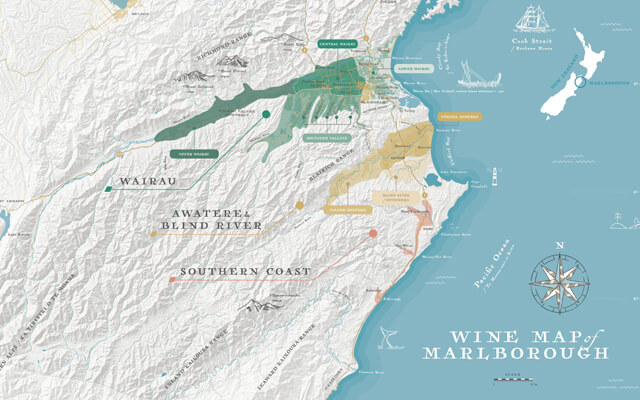
Nautilus’ Clive Jones has made wine in the region since long before the whole of it was under vine, and is quick to delineate the subregions and micro-terroirs that Nautilus seek to express in their own outstanding Sauvignons.
He discusses what goes in to ‘turning it down a little on the aromas and up a little on the flavours’ – scrupulous selection, smaller batches, judicious use of oak and lees to uncover new elements of texture.
The results are wines not only with all the classic hallmarks of Marlborough – the aroma, the vibrancy, those textbook notes of gooseberry, blackcurrant bud, passion fruit – but extraordinary purity, finesse, breadth and nuance … and startling longevity too.
We so often think of Marlborough Sauvignon as ‘drink it the year of vintage’ – and more often than not it is – but Clive loves (and loves to share) examples with years of age on them, talking about the toasty, richer notes that emerge after even a decade.
Marlborough beyond Sauvignon
And amidst all the heat and light generated by Marlborough’s most famous grape, we forget that its hills and valleys produce beautiful examples of other grapes.
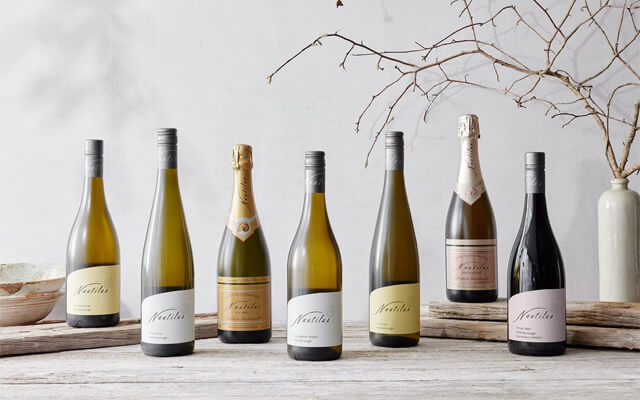
Clive is keen to pour us the Nautilus Albariño – ‘it’s new to us, but we’ve been making it for ten years, so not that new’.
Textural, aromatic, rippling with white peach, apricot and floral tones and classic Marlborough freshness, it’s proved a huge hit at their tasting room, and no wonder. A Marlborough style to be very aware of.
Then there’s Pinot Noir – so important to Nautilus, and so specific in its winemaking requirements, that the winery built an entire separate facility for dealing with this one grape.
It was worth the time and trouble. The 2022 Nautilus Pinot is simply ethereal in the haunting breadth of its perfume, the complexity of its nuances. Supremely pure of fruit, but shifting from darker tones to light. Four years old and still daisy fresh, yet showing the early signs of a deeply satisfying evolution.
Time to rethink Marlborough
Of course there is Marlborough and there is Marlborough.
Just as there are in every wine region, Marlborough has wineries that are bulk-producing, that are using a percentage of grapes from outside the region and which result in wines that can be quite samey.
(One reason that Nautilus is a founder-member of the Appellation Marlborough Wine movement, aimed at raising and enshrining standards and highlighting the best).
But generalisations never reflect the whole story, and even a cursory taste of Nautilus’ range reveals the qualities, complexities and – yes – subtleties of which Marlborough is capable, when explored by a producer who takes the time to draw them out.
Elegant, nuanced, vibrant wines that provide a delicious check to preconceptions and assumptions. It’s time we rethought Marlborough.
Stories, insight and of course wine
Stay up to date with the world of wine