Heading for the hills – wines that keep cool in hot places
As we plunge into this year’s heatwave number, what is it now, four? Twelve? Thirty-seven? Your mind, like ours, is probably on how to keep cool.
(Our recommendation, for what it’s worth, is several gallons of water supplemented with a judicious glass of white/rosé/fizz, delete as appropriate).
But – perhaps we’re just delirious – the heat has made us think about the ways that grapes produce thrilling, refreshing, distinctly cool climate wines in places that seem as though they should make for quite the opposite.
(We’ve also put together a list of some of our favourites, which you can find by skipping to the bottom – no judgement.)
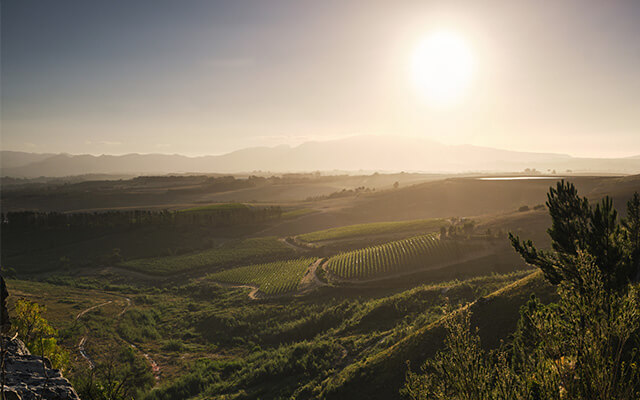
Can-do altitude
‘Quinta da Fonte Souto is an outlier,’ Senior Brand Manager Michael explains to us. ‘It’s in Alentejo, which would typically be a hot region. But it’s up in the hills to the east of the Alentejo plain, in Portalegre, so it’s much cooler.’
Higher altitude is perhaps the most direct route to cooler conditions in a hot climate. Anyone who’s gone for a hike knows the feeling of rounding the face of a hill, feeling the nip of the breeze catch their arms, and reaching for an extra layer – even in bright sunshine.
The higher you climb, the more the temperature drops – but it’s more complex than that. The influence of sunlight (though, critically, not heat) increases with altitude. Nights are cooler, air movement changes.
Wines in the hills or mountains are also (often) dealing with steeper vineyards, impacting both drainage and, again, sun exposure, with their more extreme aspects.
All of which adds up to wines marked by increased phenolic concentrations, fresher acidity, amazing clarity of structure and texture.
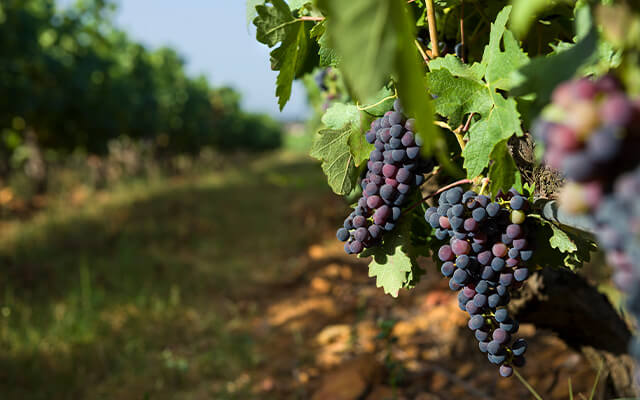
Some like it cool
Fascinatingly, these cool-climate, high-altitude styles can often sit almost cheek-by-jowl with regions and subregions producing almost the exact opposite.
Take the phenomenon of Eden Valley’s thrilling dry Riesling. Vibrant, thrilling, racy, citrusy. One of the all-time greats when it comes to cool, refreshing wine – and barely a stone’s throw away from some of the richest, deepest, darkest spiciest Shiraz made anywhere in the world.
Even at relatively low elevation, that change in altitude and aspect makes all the difference.
All the more so if there’s also an influence from the sea. Our new friends, Paul Clüver, farm in Elgin, South Africa’s coolest-climate region. The mountains around the valley shoot up rapidly from the Cape coast – Paul Clüver’s wines sit around 300-500 metres above sea level. Yet in Paul’s own words, you go over the ridge and it drops straight into the ocean.
That means their grapes have both elevation and cooling afternoon sea breezes pulling through mountain gaps.
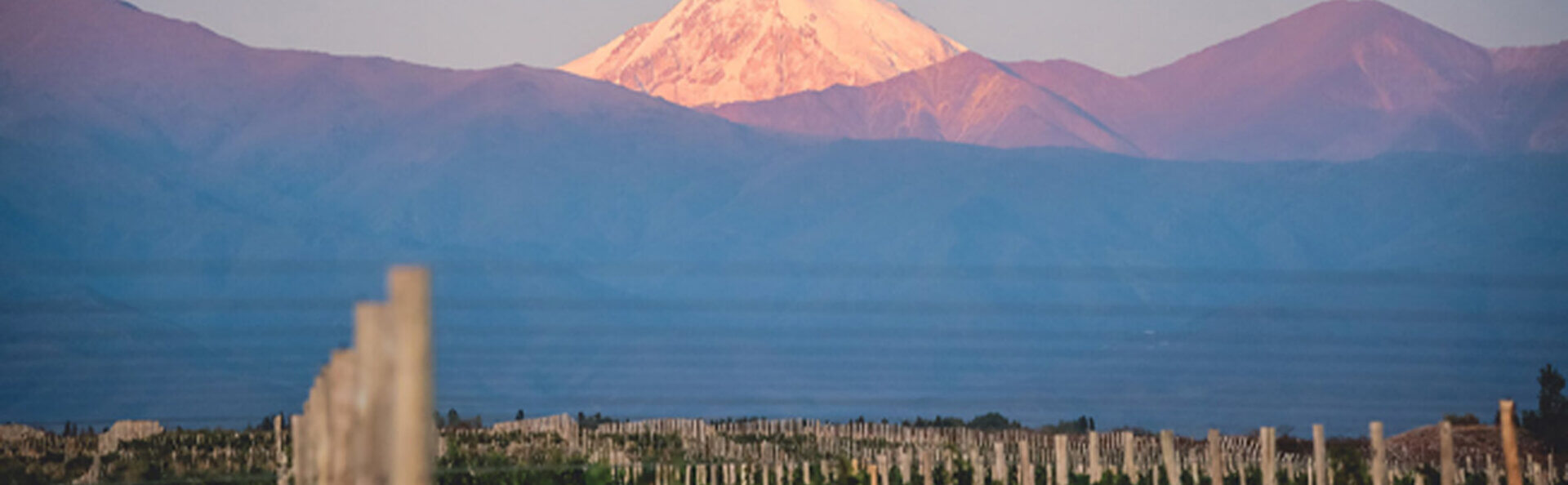
Then of course there are the wines sitting at extremes. Perhaps the most famous high-altitude wines of all are those sitting in the Argentinian Andes. Bodega Lagarde’s Guarda Chardonnay sits in a vineyard in the tiny Gualtallary enclave at an astonishing 4,600 feet.
They’re some of the very highest vines in Mendoza – but Gualtallary has become the region’s most sought-after land for planting vines precisely for the concentration of flavour and texture its unique conditions provide.
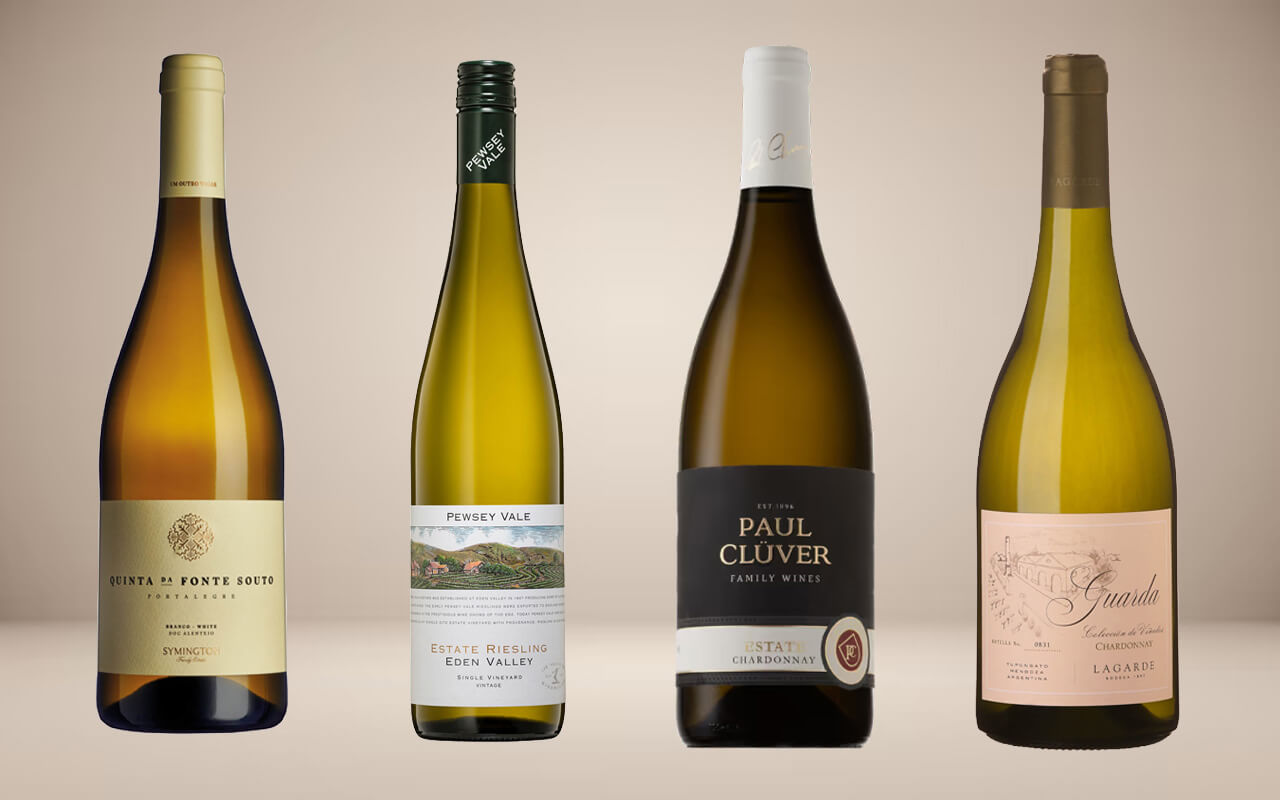
Some cool climate suggestions
Whilst we’d love to whisk you (and ourselves) away to these far-flung seaside and mountain paradises, the best we can offer is travel by glass.
So here, from the Brand Managers who know them best of all, some cool climate wines from places you might expect to be hot.
Quinta da Fonte Souto White– An oak-aged blend of Arinto and Verdelho that’s a must for lovers of great Burgundy. Incredible poise, concentration and freshness entwined with beautiful bâtonnage texture and purity of fruit. Recently featured in The Wine Merchant’s Top 100 – for good reason.
Pewsey Vale Vineyard Riesling– One of the Eden Valley’s great Rieslings, from specialists in the style. Dazzlingly aromatic; think fresh lime, rosemary and white flowers, then bristling with vivid minerality and bright flavour leading to a long, mouthwatering finish.
Paul Clüver Estate Chardonnay– This hasn’t been in our range more than a few months and it’s already become a huge staff favourite. A gorgeous balance of that cool, pure, Elgin fruit and sensitive oak. No wonder Elgin makes only 1% of South Africa’s Chardonnay … but wins 50% of its Gold medals.
Lagarde Guarda Chardonnay– Grown at 1500 metres in Gualtallaray … its vineyard separated by just the width of a road from one owned by perhaps Argentina’s most famous winery, selling its Chardonnay for triple-figure prices. La Guarda has all that thrilling, racy Gualtallary concentration and freshness. Perhaps one of Chardonnay’s greatest values.
Stories, insight and of course wine
Stay up to date with the world of wine