Trend and tradition
We recently had a semi-serious discussion about whether or not to throw a few glasses of wine into a colleague’s face.
Not because of anything he’d done, we hasten to add.
It was a trend doing the rounds on Instagram. People – mostly winemakers – having glasses of wine thrown in their faces, blindfolded, and having to guess what it was.
Our friends at Wente got involved – rather impressively – and the video is well worth watching here. (Give them a follow if you don’t already).
We decided against it ourselves, incidentally. One thing to throw glasses of your own wine around, another when you’re working with someone else’s, perhaps.
But it got us thinking about trends more broadly – and of course their dexter face, traditions.
A traditional industry?
Knock around the wine industry long enough – perhaps particularly the European wine industry – and you’ll have heard the insinuations.
Or maybe ‘accusations’ is more accurate. The suggestions that wine is traditional, that it’s po-faced, archaic, stuck in its ways.
At this point we’ve spent so long talking about Gen Z not drinking wine, and pulling hair out over how to change that, that there’s a whole new generation coming up on the rails behind them, and that one possibly isn’t drinking much wine either.
(In fairness, it probably isn’t old enough to yet – we don’t know generational cut-offs, we just write newsletters).
And yes – of course – it’s critical to address all customer bases, meet them where they are, share our enthusiasm for this marvellous drink and the places and people behind it, and generally make sure that we’re not cutting wine, or ourselves, off from anyone.
And yes – of course – there probably are elements of wine that evolve at different paces, have their roots in long-ago and perhaps unfamiliar times, and could possibly be more accessible and less shrouded in mystique than they currently are.
With age comes wisdom
But it’s also important to note that much of wine’s interest, fascination, quality and identity is expressly rooted in history, heritage and tradition.
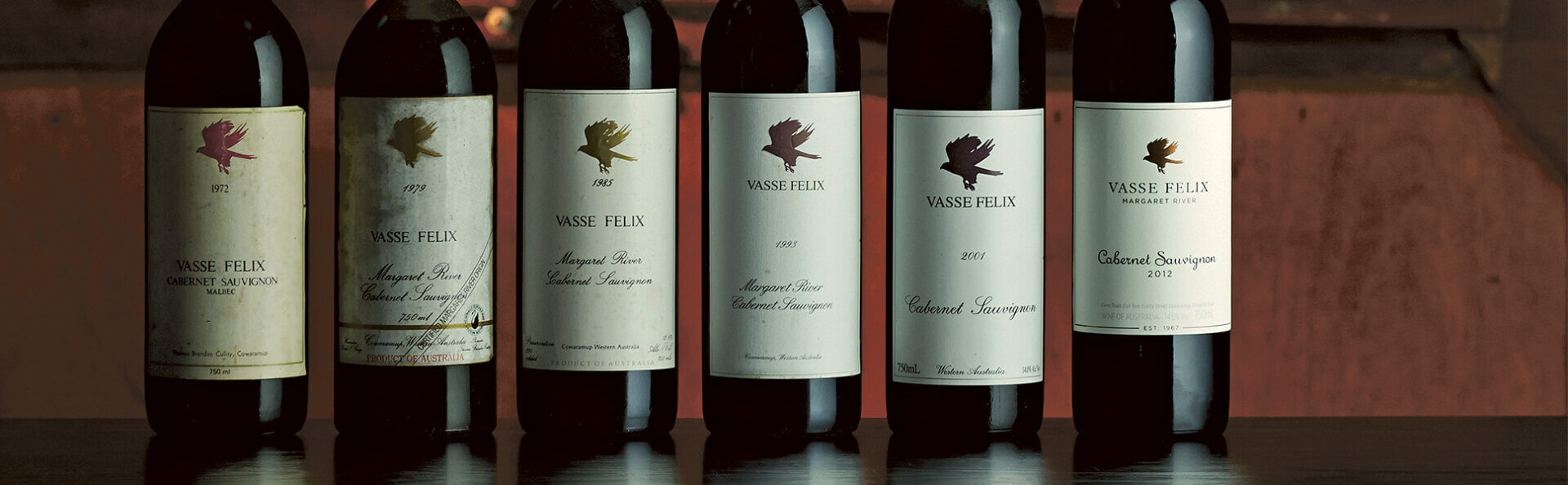
At Fells, we have the unbelievable privilege of working with many wineries who were the first, or among the first, to put down vines and sell wine commercially in their region.
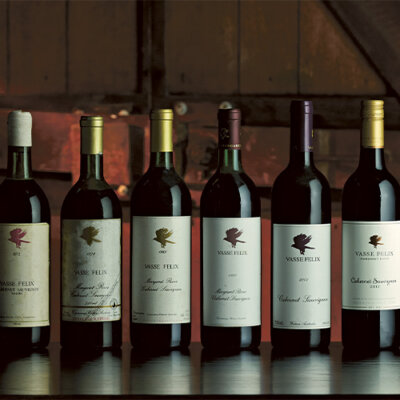
Producers like Vasse Felix in Margaret River, Hambledon in England, Paul Clüver in Elgin, Seifried in Nelson.
And of course there are the producers who have been working for centuries. Yalumba – Australia’s oldest family winery. Louis Latour, founded in 1797, Hugel all the way back in 1639. Ricasoli, who astonishingly have been making wine with the same family and in the same place since 1141.
We could go on … but we’d find ourselves talking about almost all of our Portfolio. We’ve even got the original Sparkling Tea!
The wineries we distribute are, without exception, central within their countries and regions, entwined in their histories and flagbearers for their traditions.
But they have not played this fundamental role within those regions – and indeed wine more broadly – by preserving themselves in aspic.
A traditional evolution
Throughout their history our wineries have been central to establishing and developing the very ways wine is made in a particular place.
There’s Wente, whose Chardonnay clone is now used for over 80% of California’s Chardonnay. Hugel, who codified the specifics for Vendange Tardive (late harvest) wines in Alsace.
There was Renato Ratti, who came up with the first map for Barolo, and more recently the Burrier family, who spearheaded the introduction of Pouilly Fuissé Premier Cru.
Yalumba were at the core of establishing ‘Australia’s great red blend’ of Shiraz and Cabernet, celebrated perhaps most prominently in their ‘The Signature.’
But they’ve been around since 1847 … and this ‘traditional blend’ in the form of The Signature was first bottled in the 1960s.
Wine’s been around a long time – several thousand years. It’s evolved a lot in that time. Every tradition began life as someone’s bright idea.
Sometimes huge changes undoubtedly happen within the wine industry – go back 60 years and barely anyone was drinking Australian, Californian, South African, Argentinian wine in the UK.
Today, unquestionably, we’re seeing shifts in tastes again. We’re seeing new regions start to come to prominence, new ways of winemaking, grapes outside of the old ‘noble varieties’ being rightly celebrated. And all of this is healthy, exciting and indeed necessary.
But not jumping on every trend that arises is not the same as being petrified. Mostly wine is on a journey of evolution. It is a drink with renewal baked into its very essence – just look at the vintage cycle – but it occupies its unique place in our cultures, customs and glasses specifically because of the traditions and practices that brought it there in the first place.
Ultimately, trends and traditions are both integral to the health of wine and the wine industry – two legs of the same stool. The greatest wineries, like the generational producers we’re privileged to work with, are those which strike a balance between the two.
And yes, occasionally that means throwing glasses of wine in a colleague’s face for Instagram. And occasionally it means, regretfully, choosing not to.
Stories, insight and of course wine
Stay up to date with the world of wine