Fijnbosch
As soon as Graham discovered the Fijnbosch vineyard he knew he was on to something very special. It made around 75% of the inaugural 2013 vintage bottling of Capensis, and around the same amount of the vintage that followed – despite only being planted with 20% Chardonnay vines at the time.
As soon as it became available, the Capensis team snapped it up, and the work began on converting it to their favourite grape.
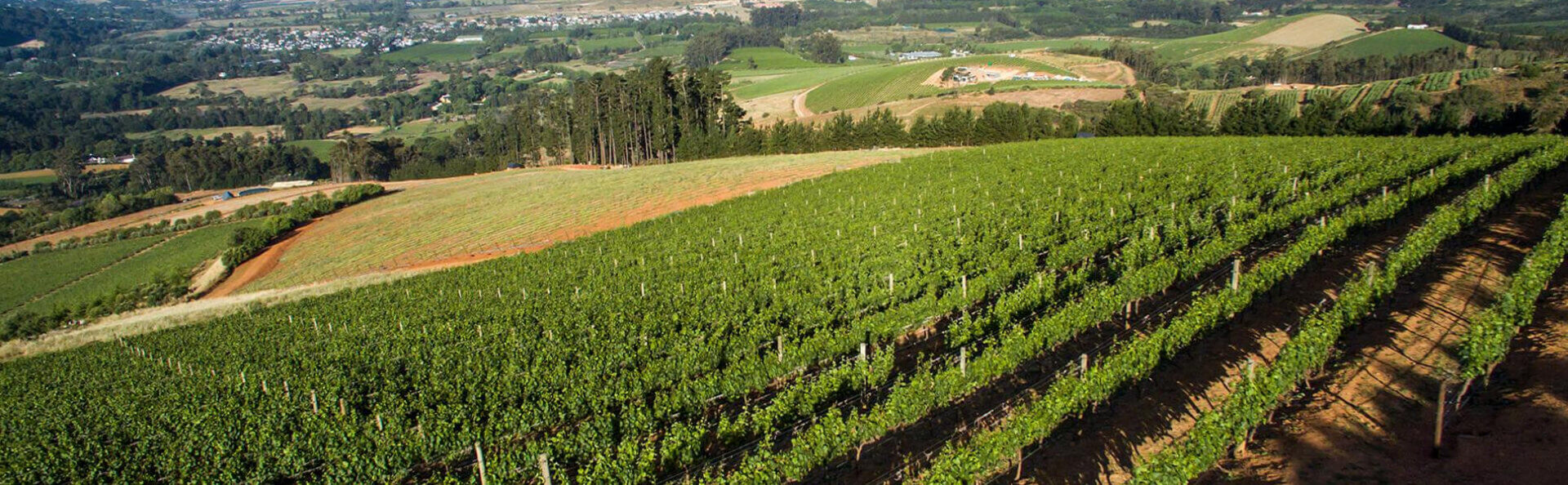
But it wasn’t merely a case of simply replanting everything the Chardonnay. ‘We put in some bio corridors and did some amazing stuff from a viticultural point of view,’ Graham explains. They spent three years preparing the vineyard for planting, to be certain that any viruses were completely eliminated. They planted cover crops extensively to maximise organic matter in the soil.
When it came to planting, the trellis system they wanted didn’t even exist in South Africa – it had to be ordered in. And the wait had given them time to assess a range of the Chardonnay clones they preferred (‘a salad bowl,’ as Graham puts it) all on the same ideal rootstock, promoting diversity even within this sole variety.
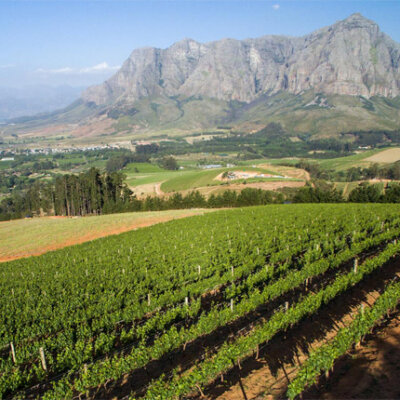
High elevation, well-drained but with enough clay soils to retain critical water supplies so that little to no irrigation is needed, Fijnbosch is now the unquestioned jewel in the Capensis crown – not only responsible for grapes included in all of their wines (to this day it is about half of the flagship’s blend) but the only vineyard honoured with its own bottling.
Bringing refinement, structure, acidity and pronounced citrus notes, it is the heart and soul of Capensis. ‘We bottle a number of different wines there,’ Graham says, ‘but ultimately that vineyard is the foundation of what we do in South Africa.’
Stories, insight and of course wine
Stay up to date with the world of wine