Pantelleria: a wine island like no other
Today we’re whisking you away to one of wine’s most magical islands.
A place that grows vines in so remarkable and idiosyncratic a way that it has been granted UNESCO World Heritage Status.
(It’s not just the only vine training method to hold that status … the only agricultural system in the world – full stop).
A place whose unique conditions make for thrilling, saline, spellbinding whites, and arguably Italy’s finest sweet wine.
And yet a place which even long-in-the-tooth wine lovers would be forgiven for never having heard of: Pantelleria.
Daughter of the winds
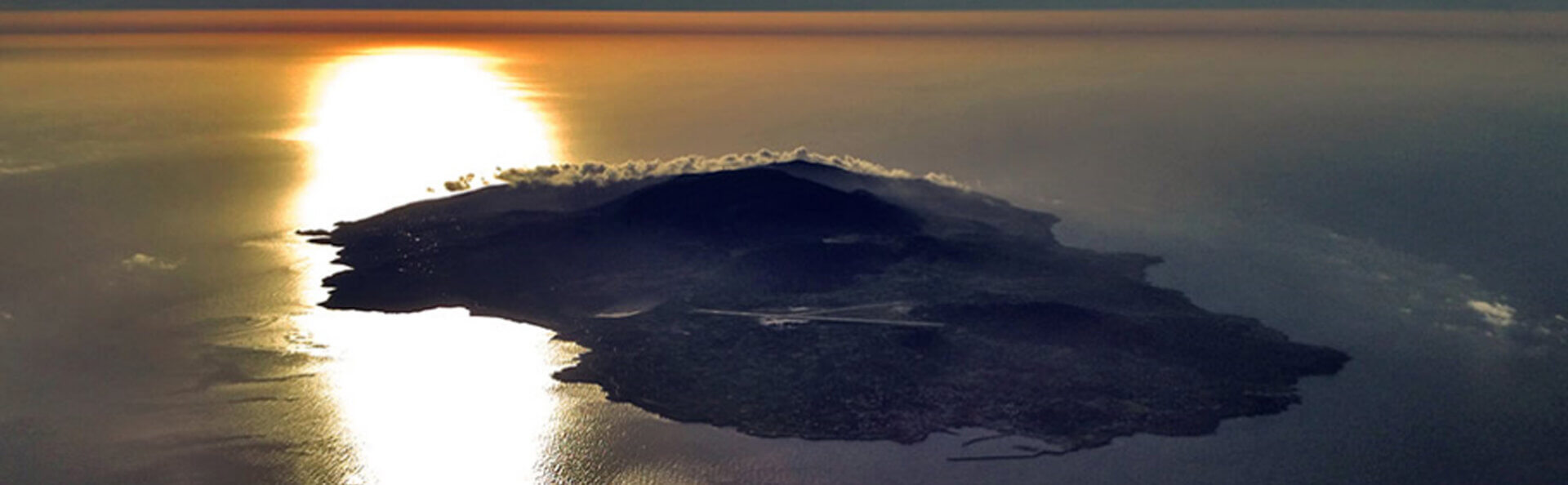
Pantelleria is tiny.
A crumb of volcaninc land in the Mediterranean, 60km from the Tunisian coast. Just nine miles long by five miles wide. You can drive round it in just a matter of hours.
Exposed to the full force of the sea, raked constantly by the hot Sirocco and cold Mistral winds – its very name comes from the Arabic ‘daughter of the winds’.
Yet grapes have grown here for centuries. Brought originally by the seafaring Phoenicians, intended to grow for raisins, it was soon realised that Pantelleria’s unique conditions were perfect for wine grapes … as long as they were grown in a particular way.
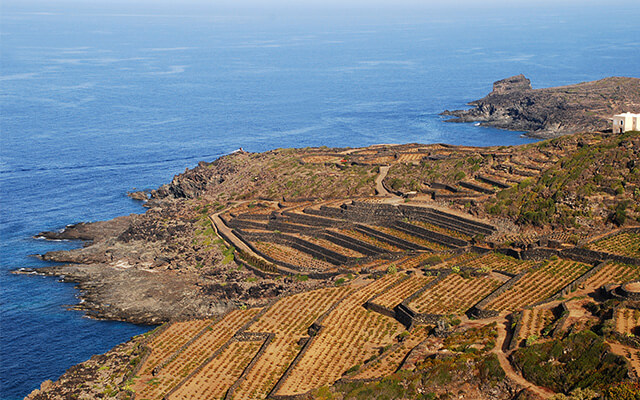
Enter the ancient practice of vite ad albarello. Designed to protect vines from the buffeting winds – and shield grapes from the fierce sunshine.
Vines are dug into individual hollows – ‘conca’. They’re then pruned into a particular bush vine shape. Six branches spreading radially such that the grapes grow low and protected by foliage.
Then, for further protection, the vineyards are segmented into tiny plots by a honeycomb of lava-rock walls.
Wines shaped by the place
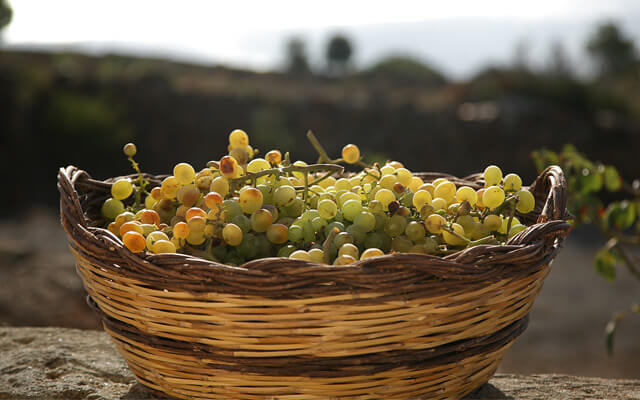
Almost all of Pantelleria’s wine is produced from the Zibbibo grape. The local name for Muscat of Alexandria.
And perhaps it’s appropriate that the name is entirely different – because these wines are like no Muscat of Alexandria grown anywhere else.
The dry whites are vibrant, saline, dazzlingly mineral. Aromas of lemon and citrus peels, and of the very island itself – the sultry herbs that grow around the vineyards, the tang of the salt sea spray.
And then there is Pantelleria’s Passito. A legacy of the original purpose of these plantings. Harvested grapes are spread on straw mats to raisin in the sun, before being pressed alongside a portion of fresh grapes.
The result is one of Italy’s finest sweet wines. Luscious, brilliant-gold, dazzlingly-fresh and heady with dried fruits, apricots, citrus oils and jasmine.
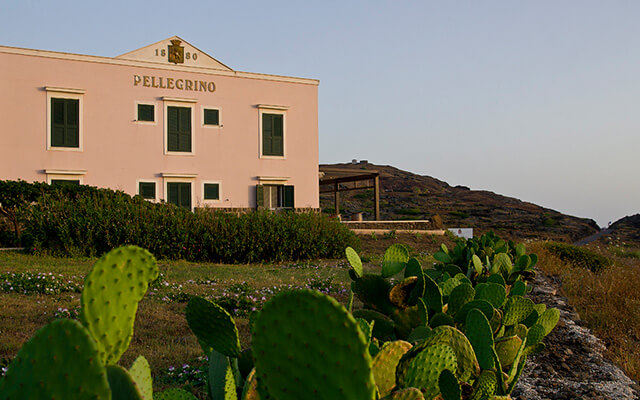
A Pellegrino crown jewel
As you’d expect from such a small place, Pantelleria wines are rare indeed – even in Italy.
We’re extremely fortunate, through our friends at Pellegrino, to have access to some of the best.
Though you might know Pellegrino best for their world-class Marsala and gorgeous Sicilian wines, they are also one of the key vineyard holders and winemakers on Pantelleria, producing both scintillating dry white and some of the finest Passito on the island.
These are wines that demand to be in your glass. Wines that speak utterly and deliciously of their remarkable home. (And, as an aside, are absolutely perfect for this time of year).
There aren’t many great wine regions that still fly under the modern radar. Pantelleria might be one of those rare few … but it’s simply too good to stay that way for long.
Stories, insight and of course wine
Stay up to date with the world of wine