Centurions of the Barossa
It’s often too easy to trot out the term ‘old vines’ – or ‘vieilles vignes’ – not least because there’s no universal agreement on what constitutes ‘old’.
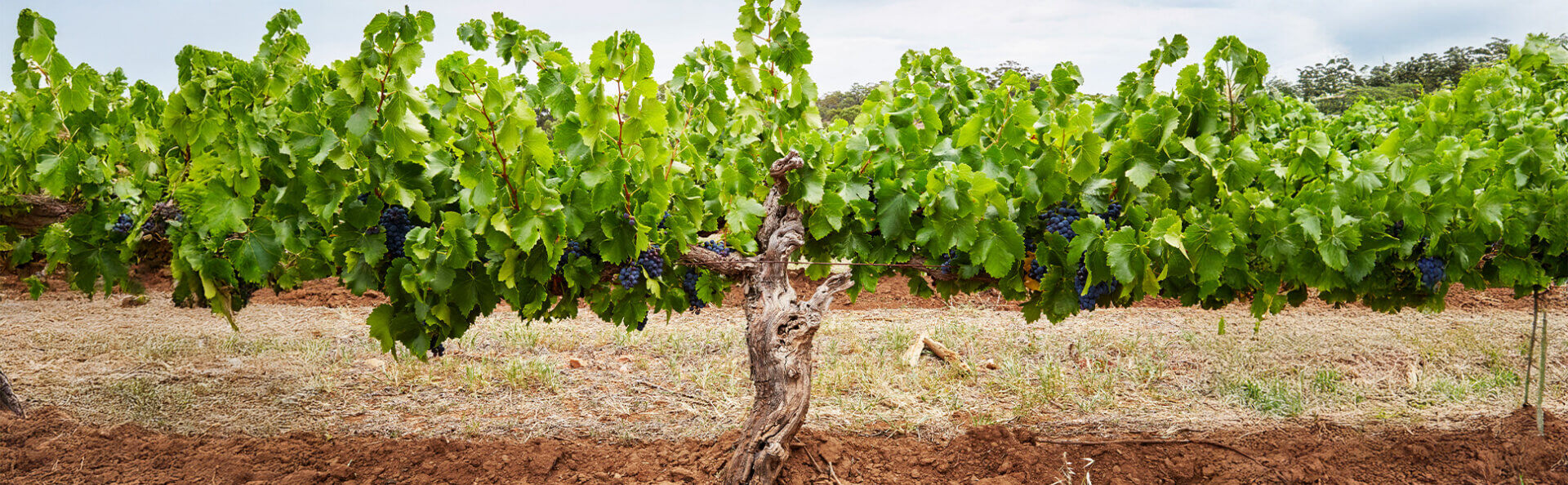
But the vines tended by Torbreck in the Barossa would surely qualify by any definition.
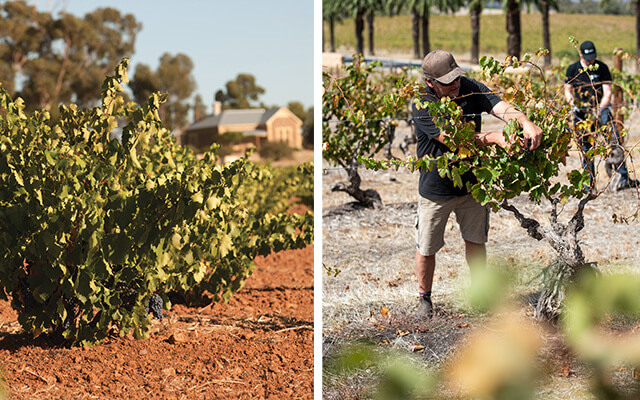
Virtually everything they tend is at least 35 – well past the point where vines begin to physically manifest their age in lower fruit yields.
Many of their vines are centurions – indeed the Barossa, having largely escaped the effects of phylloxera, has one of the richest treasure troves of hundred-year-old vines in the world.
And some of them, astonishingly, are over 175 – a living testament to English and Silesian winemaking in the area dating back well into the 19th Century.
These precious vines are the essence of Torbreck’s mission and identity. Identifying, preserving, often reviving and – of course – making wine from them.
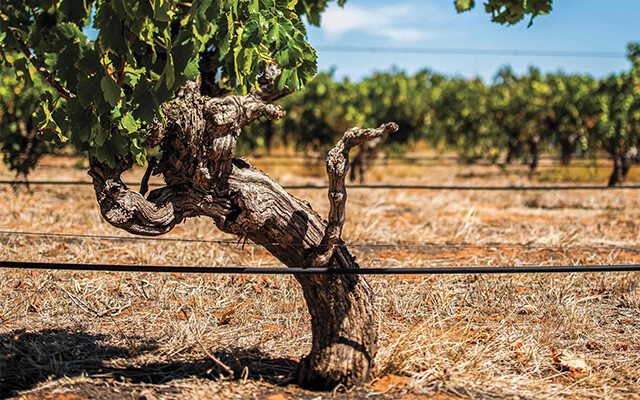
When it comes to vines, age isn’t just a number
There’s more to maintaining old vines than simply leaving them where they are, and not grubbing them up.
Torbreck’s team take meticulous care working on every aspect of vineyard health – spending over 12 years working on sap flow alone – which can kill or ruin grapes if not managed properly – cutting out eutypa-affected wood and more.
In some cases, as with the 12 rows of once-neglected, tangled vines that now produce their extraordinary The Forebear, nursing these vines back to health can take over a decade.
It is worth it. Though old vines can be teeth-clenchingly low-yielding – producing a fraction of the juice of something younger – the resilience of the grapes, their extended hang time, and the concentration of flavours they achieve simply can’t be replicated through any other means.
A natural wonder preserved by the glass
Irrespective of that increase in concentration and flavour, and the structural nuances that only mature vines seem to provide, it’s simply a humbling, extraordinary experience to drink something from a plant that has been in the ground for over a century.
These are working plants, not relics preserved in aspic. They are cultural assets and preservers of precious genetic identity as well as a resource unmatched by any other major wine producing nation.
Whilst Torbreck – and the other Australian custodians of these venerable vines – see their maintenance as a privilege and a responsibility, they are ultimately tended for a reason: to make wine.
When you pour a glass that came from such a vine, you’re not solely enjoying inimitable flavours over a century in the making – you are a part of their continued story and relevance.
Stories, insight and of course wine
Stay up to date with the world of wine