A vintage cycle of Fells by the Glass
Rather less exciting than last week’s news, but this week marks a first full lap round the sun for our now-regular Friday newsletter, Fells by the Glass.
It was intended as a hopefully-entertaining pre-weekend lunchtime read for like-minded wine lovers – really a space for us to share stories about our wineries, interviews with our winemakers, information on upcoming events and tastings … and sometimes just general ponderings on vinous life.
(Also as an extra way to keep the Communications Team out of mischief).
Following our inaugural edition – a series of film interviews with Louis Latour’s Eléonore – we now write weekly to quite a lot more of you than we did in September 2025. So firstly, thank you to anyone who has taken five minutes to scroll through.
(Or, in the case of the Vilafonté interview with Mike Ratcliffe, an incredibly worthwhile half-hour).
We’d also love you to write back, incidentally. Suggestions of things that are useful, that you’d like to know or read, wineries we work with that you’d like to hear more from. Drop us a line on Instagram or ping us a message here.
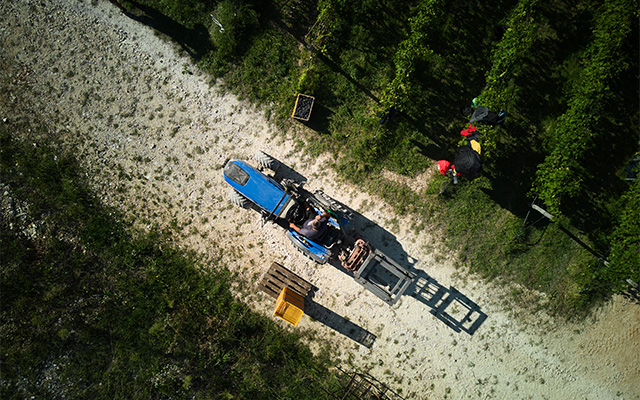
The capriciousness of vintage
Anyway, of far greater importance than our newsletter – and really the reason for shoehorning it in – is the annual cycle inherent to the world of great wine.
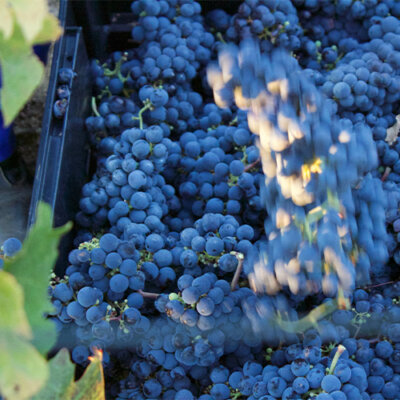
Here in the Northern Hemisphere we are acutely feeling its effects as we write, as the harvest has arrived, and rather earlier than usual.
For the second year in a row it has been an extraordinarily hot summer, this one even drier than 2025. Its impact is being felt right across the vineyards of Western Europe, and will inevitably make itself known in the finished wine we enjoy. Both in terms of its character, and how much of it there is.
So – whilst we remember – a huge cheers of encouragement from us to anyone involved in bringing the grapes in this harvest.
To those of us living in towns or cities, it can be easy to feel apart from the agricultural nature of wine.
We tend to meet it exclusively as a bottle, perhaps served at a restaurant or perused on a shop shelf. We might look at pictures of vineyards, but it’s not the same as standing in them. We discuss the impacts of soil, but there isn’t mud on our boots when we do.
And modern wineries are now, for the most part, so spick and span and scrupulously careful of hygiene that following them on Instagram, even paying them a visit, doesn’t necessarily hammer home that wine is a product of mud and sweat and toil.
But weather, perhaps particularly in Britain where it is one of conversation’s ultimate lubricants, is something of which we are all aware, and can all appreciate. Simply to walk past a park or garden this summer has been to appreciate what winemakers are up against this year.
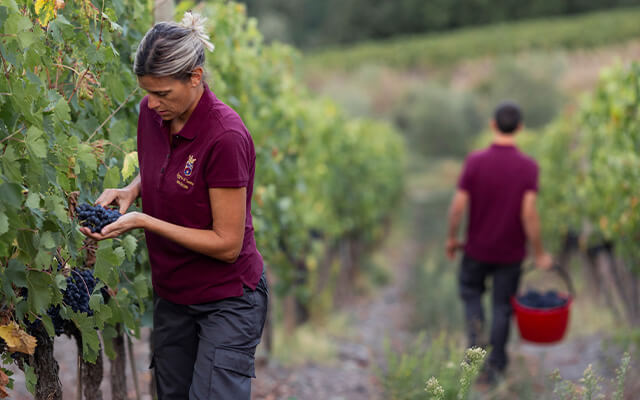
The magic of vintage
It’s important, amongst the whimsy and wonder of vintage, not to lose sight of the fact that it has been, for winemakers, their most direct window to the realities of climate change.
Conditions are getting harder – every maker we speak to echoes that – there’s no escaping it.
But vintage – the cycle of seasons that brings terroir, grape and the hand of the maker into a unique expression – is also, for all its challenges, where wine finds so much of its joy and wonder.
Easy, of course, for those of us not charged with making the wine to view it through rose-tinted glasses. But how many products can you line up successive vintages of, appreciate the sometimes-subtle, sometimes-gargantuan differences between and time-travel by glass through?
It is those differences – in something made in essentially the same way, year on year – that anchors wine’s enduring fascination and serves as a conduit for its magic. Paradoxically, its susceptibility to annually varying conditions is both its great vulnerability – and the source of one of its greatest and most inimitable strengths.
It is a reminder of the importance of the sustainability practices employed by our makers all around the world. And of the importance of reducing our own carbon footprint in any ways, big or small.
A glass of wine is by no means the main reason to fight climate breakdown. But often it is through contemplating small personal pleasures that matters of great global importance are most meaningfully brought home.
So here’s to the next cycle of the seasons, and the people around the world who express them in the form of wine. And here’s to writing to you about it each Friday lunchtime.
Stories, insight and of course wine
Stay up to date with the world of wine